Awesome Aussie Plants (and where to see them) Pt 3
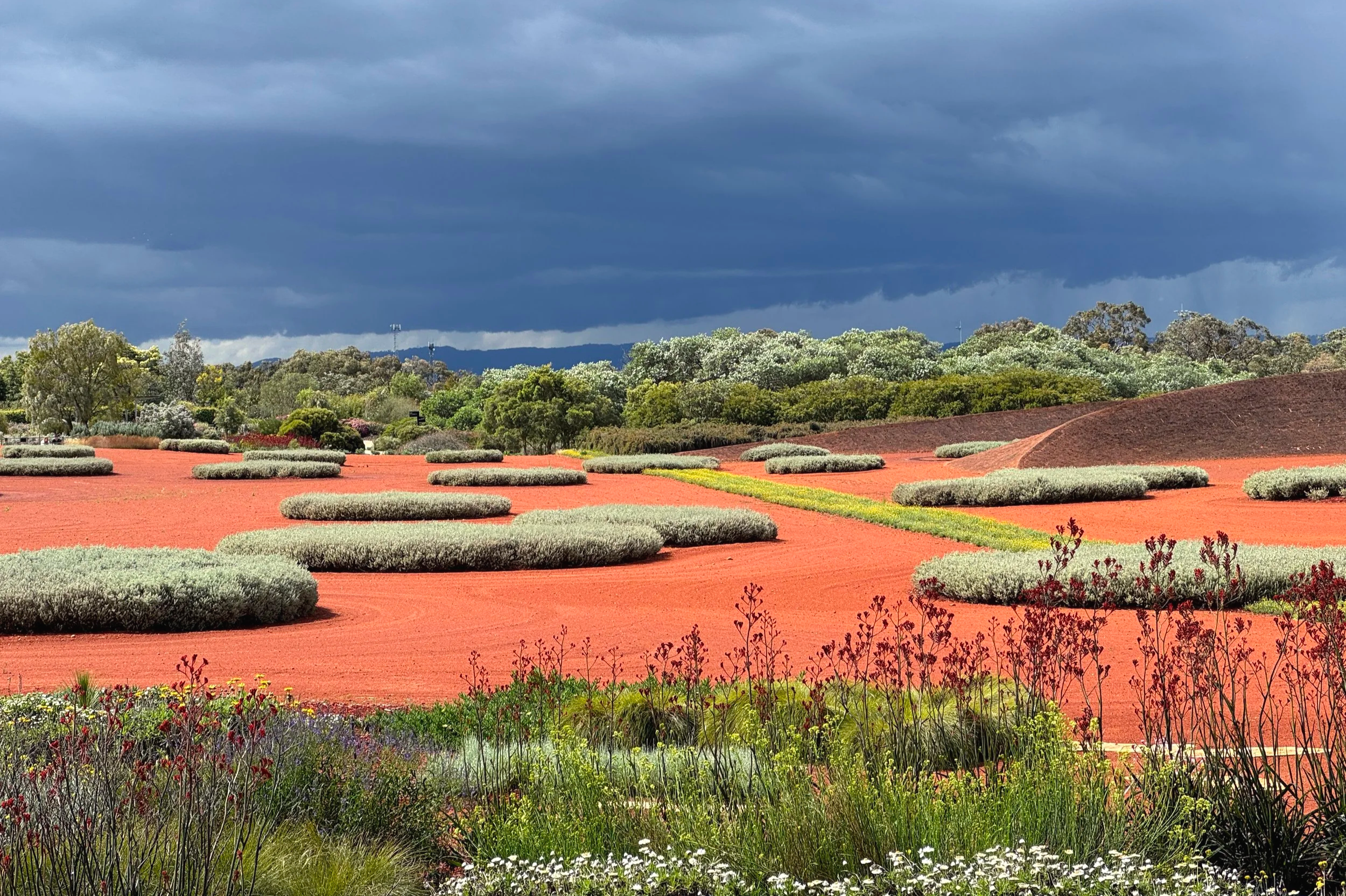
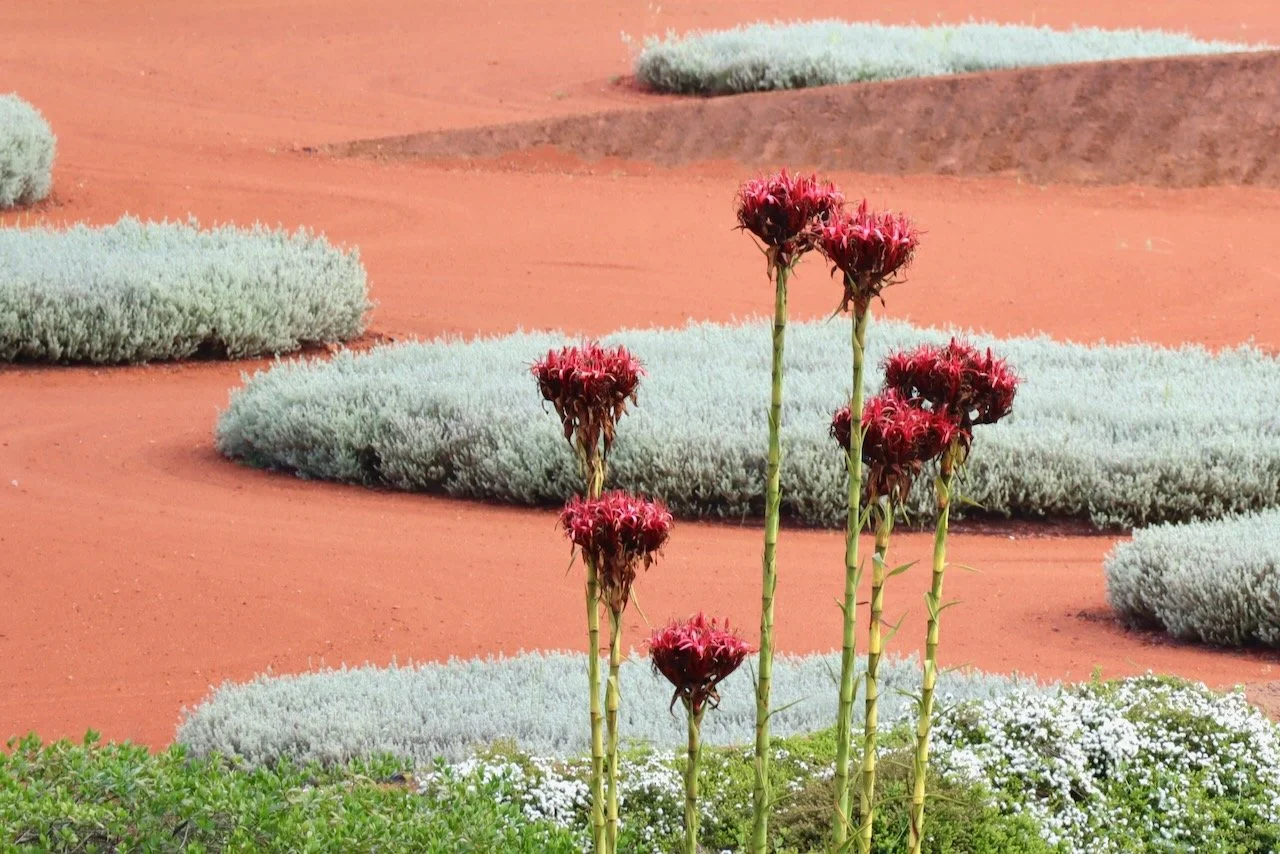
The Red Sand Garden, representing the deserts of central Australia, is a striking feature of the Royal Botanic Gardens Cranbourne
Australian Garden, Royal Botanic Gardens Cranbourne
First up, I need to make a disclosure: I do some work for Royal Botanic Gardens Victoria who run this amazing garden, so anything I say could well be biased. But the truth is that I love the place. It’d be hard not to. The landscaping here is incredible and the collection of plants unmatched. Earlier this year the New York Times published an article titled “25 Gardens You Must See”, highlighting the best gardens from around the globe, and this one made the cut. It’s obviously not just me who thinks this place is outstanding.

The Stringybark Garden, one of 21 themed sections within the Australian Garden.
Built on the site of an old sand quarry, the 35 acre aptly named “Australian Garden” opened just short of 20 years ago and sits within a broader 900-odd acres of mostly remnant scrub. There are plants here from every corner of the country. And when you consider that Australia is the sixth largest country on earth, that’s a fair slab of real estate to try to represent.
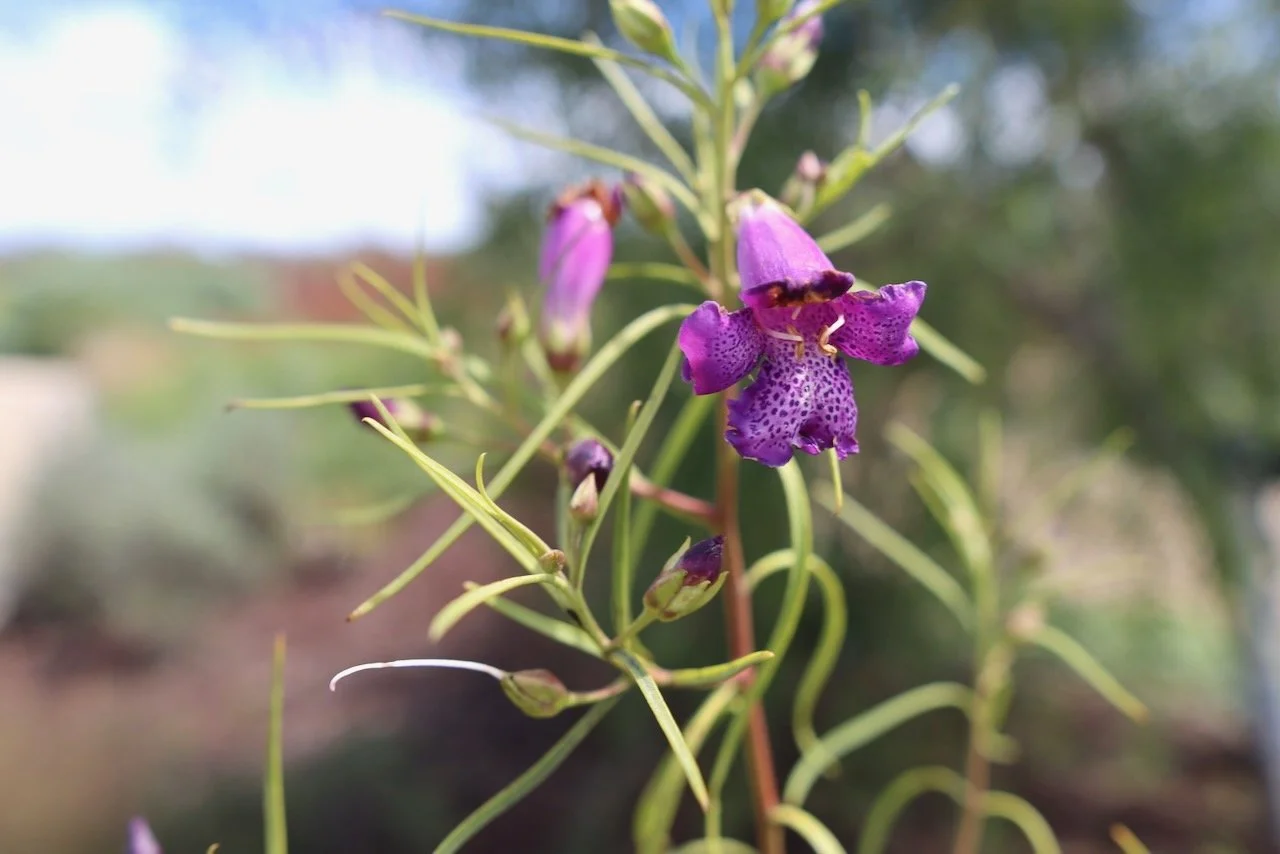
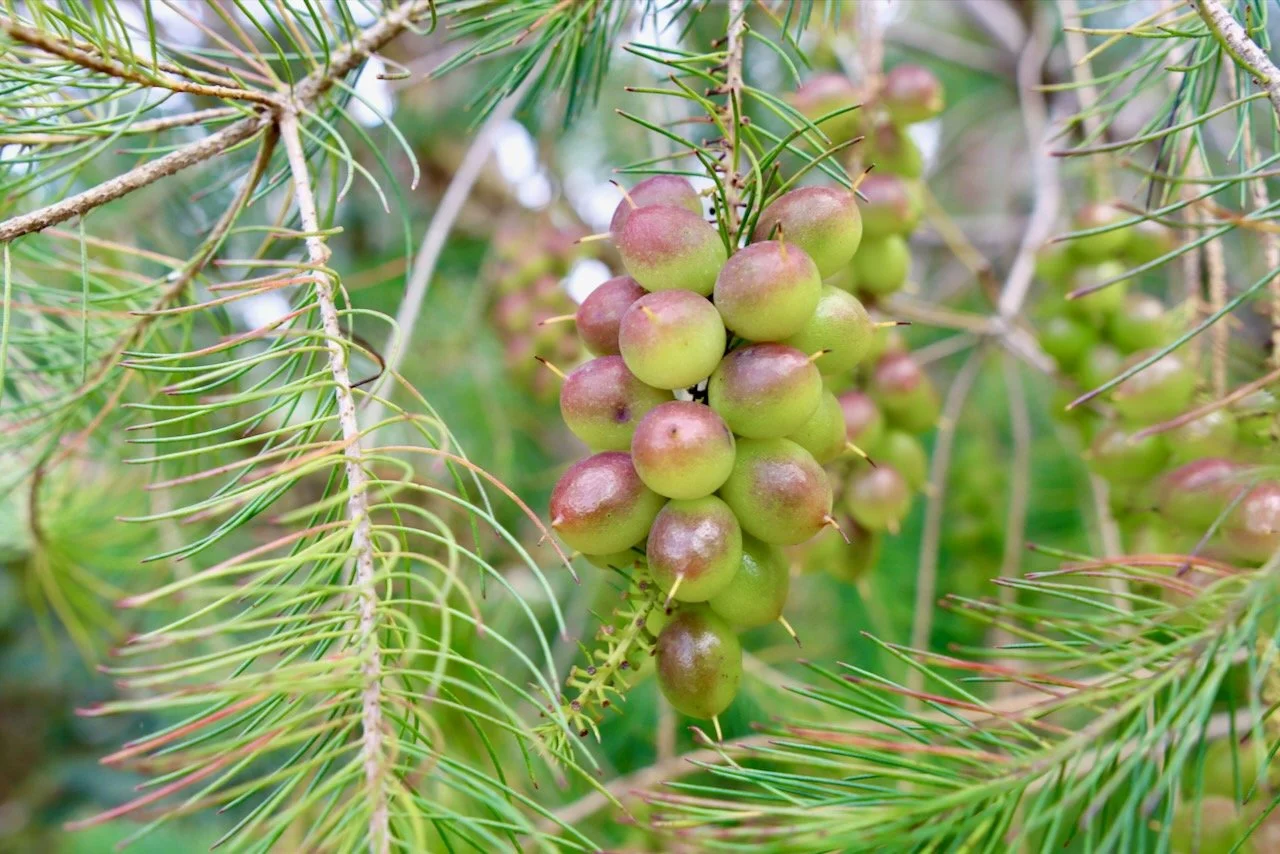
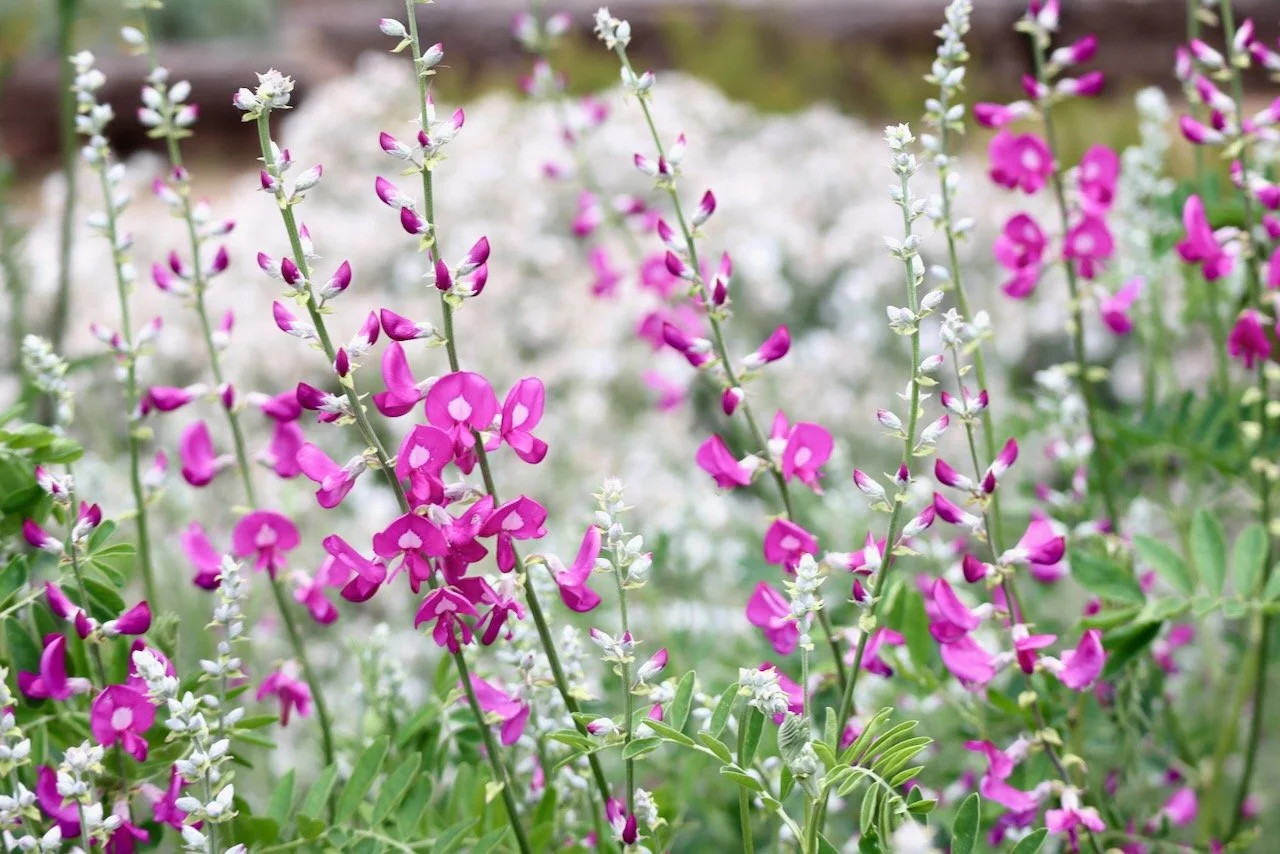
Here you’ll find everything from tropical trees to desert dwellers, tiny flowers to 500-year-old grass trees. Colour, variety and texture in every possible shape, size and form. There are awesome orchards, enchanting eucalypts, wonderful wattles, brilliant bottlebrushes, marvellous melaleucas, heavenly heaths… okay, I’m getting a bit carried away now. But I think you get the picture.
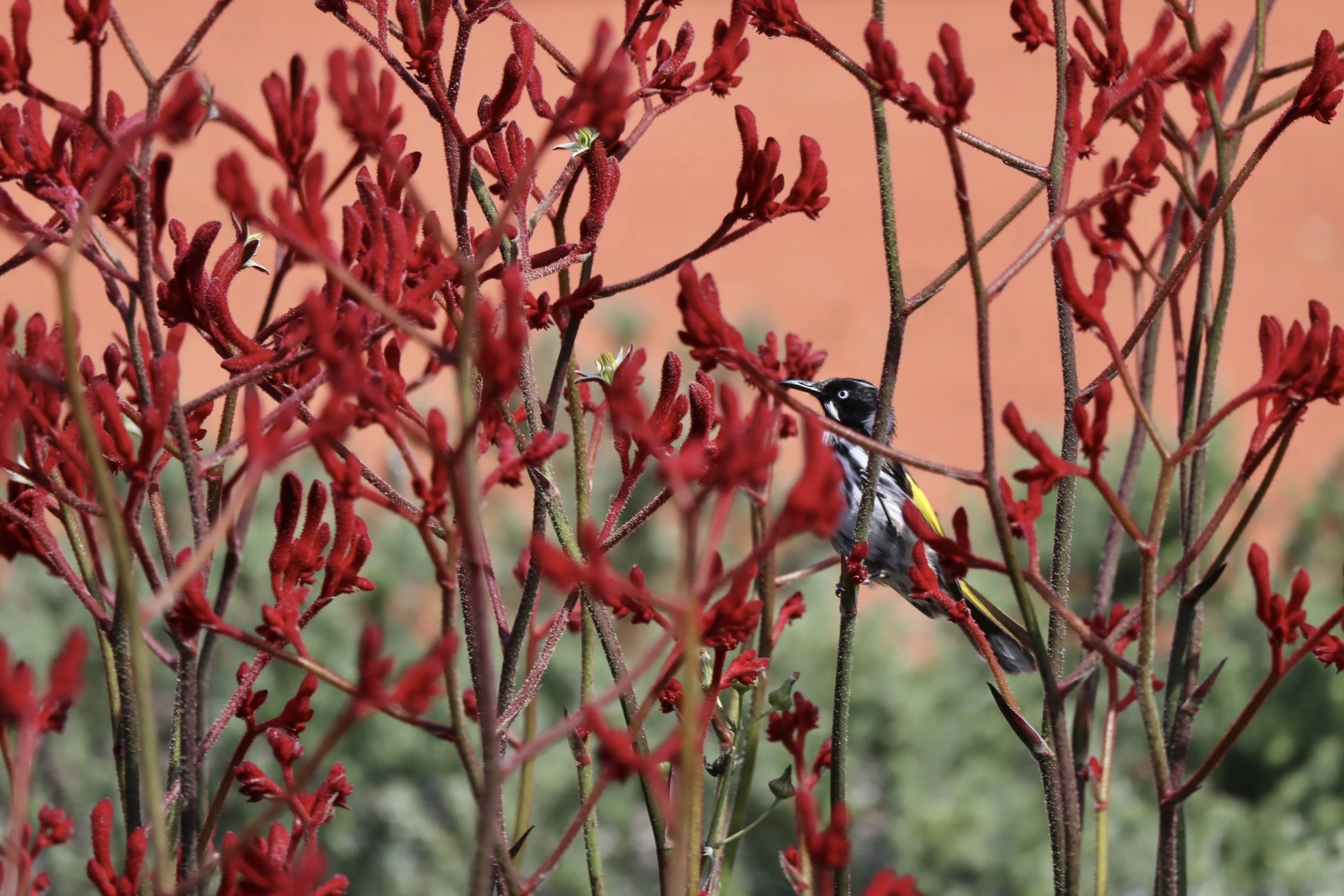
A New Holland honeyeater (Phylidonyris novaehollandiae) enjoying the nectar of a kangaroo paw flower (Anigozanthos cv.)
The Australian bush has a unique look and feel and this has been recreated along Eucalypt Walk, an almost 300-metre-long path surrounded by stands of stringybarks, spotted gums, ironbarks as well as other eucalypt varieties underplanted with hundreds of different types of shrubs, groundcovers and perennials. Numerous smaller side paths can be further explored revealing additional treasures, such as plants from the high country or those usually only found in the arid interior.
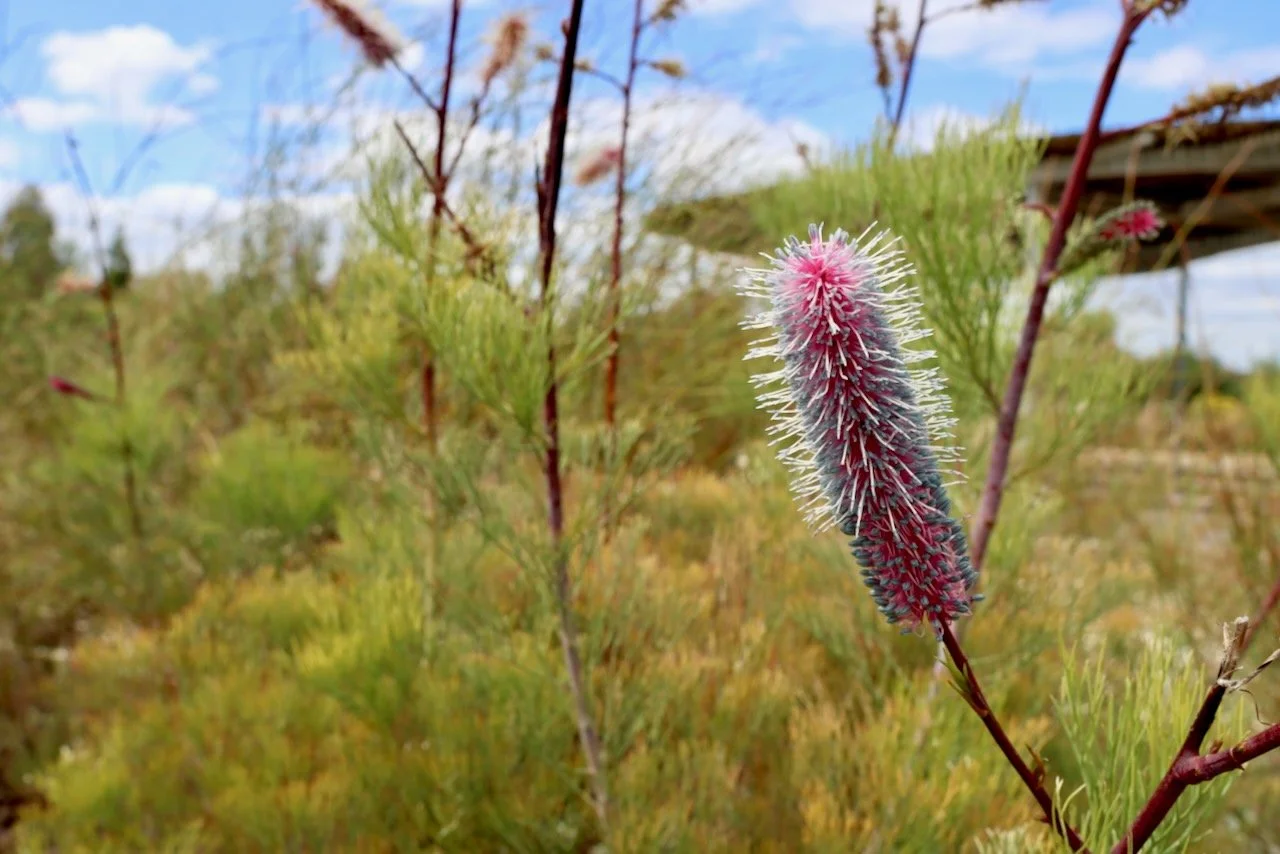
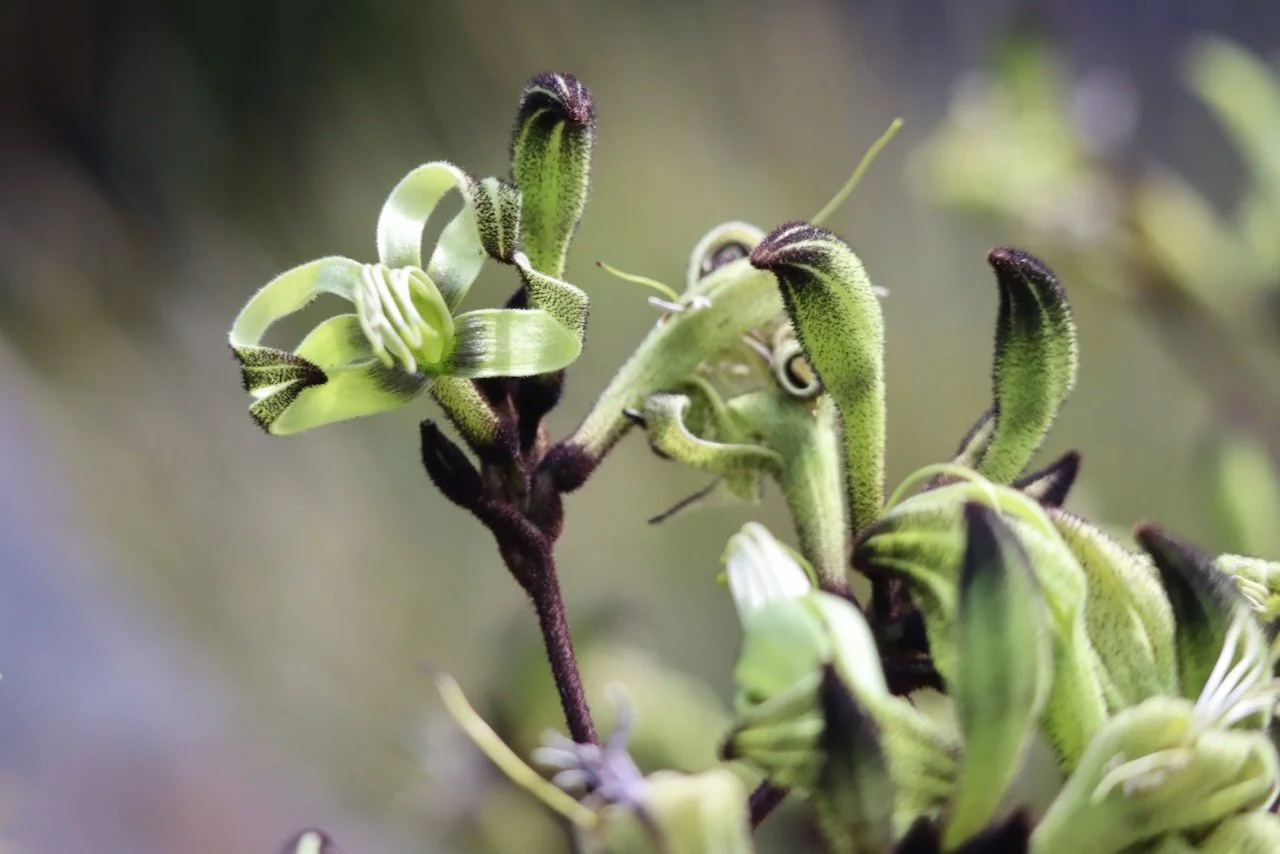
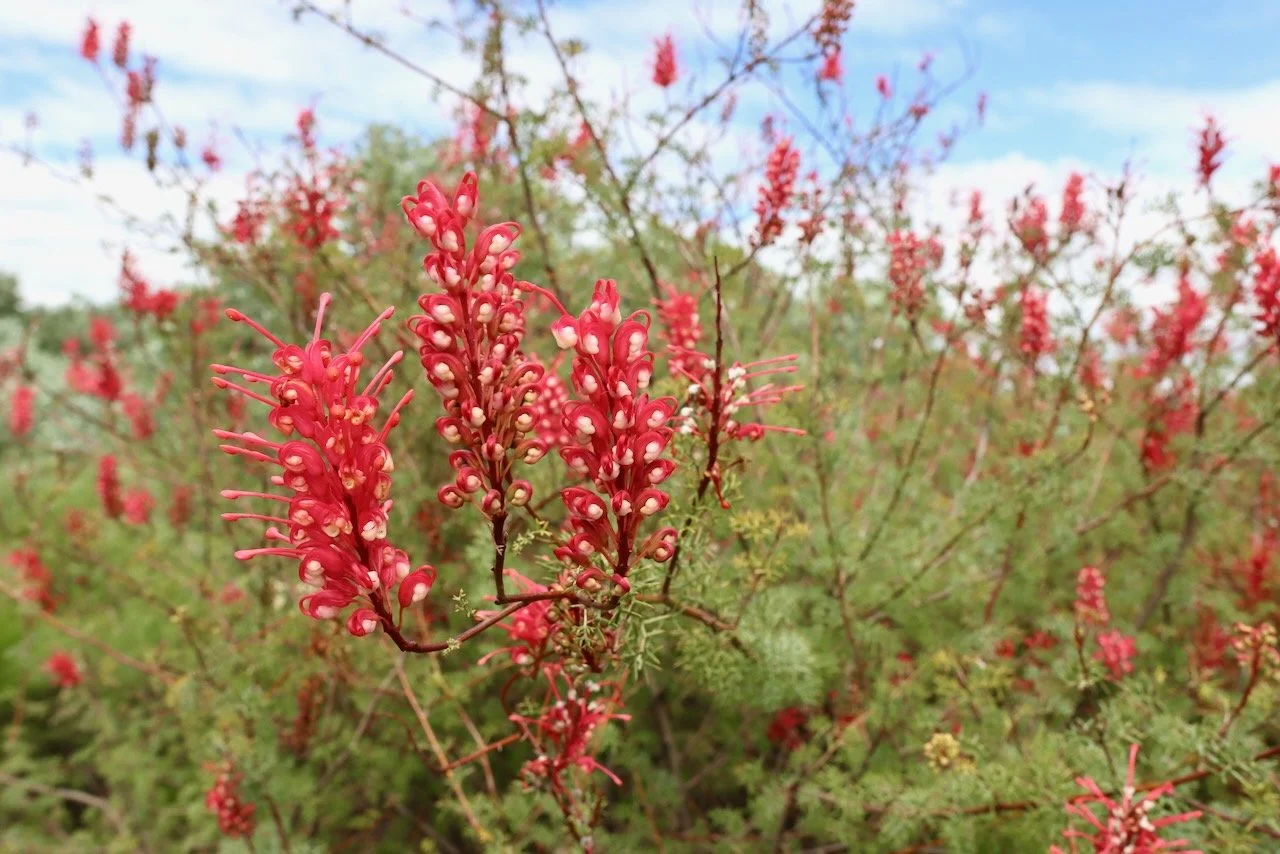
Visitors from the northern hemisphere will be struck by the huge number of species from the Proteaceae family on display. These included numerous Banksias with their iconic cone-like flower clusters and a wide array of Grevilleas with their toothbrush-like and spider-like colourful blooms. Countless wattles (Acacia sp.) bring their joyful mini yellow pompoms out during the grey winter days, and numerous herbaceous flowering plants, including thousands of stunning kangaroo paws (Anigozanthos sp.), are in bloom over spring and summer.
Being part of Royal Botanic Gardens Victoria, the organisation that also runs the Melbourne Botanic Gardens and the National Herbarium of Victoria, you can be sure that there’s plenty of science and conservation going on behind the public-facing display gardens. An example of this is the small, dedicated team at Cranbourne that runs an orchard conservation program that propagates critically endangered terrestrial orchards for reintroduction back into the wild.
Free guided walks around the Australian Garden are available most days and paid tours are offered multiple times a day in an open-air minibus (bookings recommended).
And while there, keep your eye out for bandicoots too, as there’s quite a few of these endangered little marsupials living in and around the gardens.
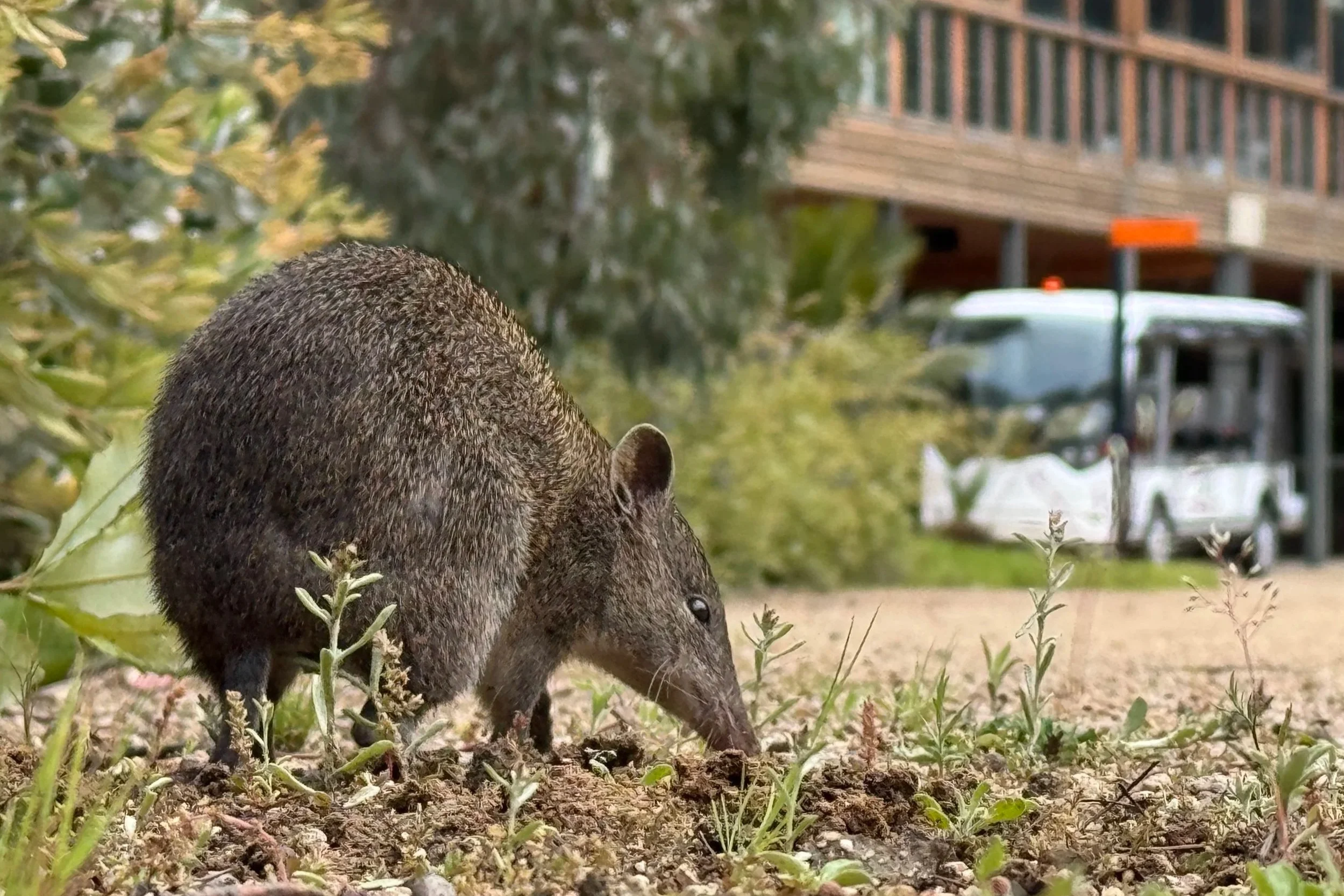
One of the southern brown bandicoots (Isoodon obesulus) that call the Gardens home
The Royal Botanic Gardens Cranbourne is open from 9:00am to 5:00pm (last entry 4:30pm) every day of the year except Christmas day. It’s located 44km southeast of the CBD, and if driving from there will take you about an hour to reach by car. If traveling by public transport, you can take a train to Cranbourne and then take advantage of the free shuttle run by the Gardens to collect passengers from the train. Note that the shuttle must be booked beforehand. See their website for details.